

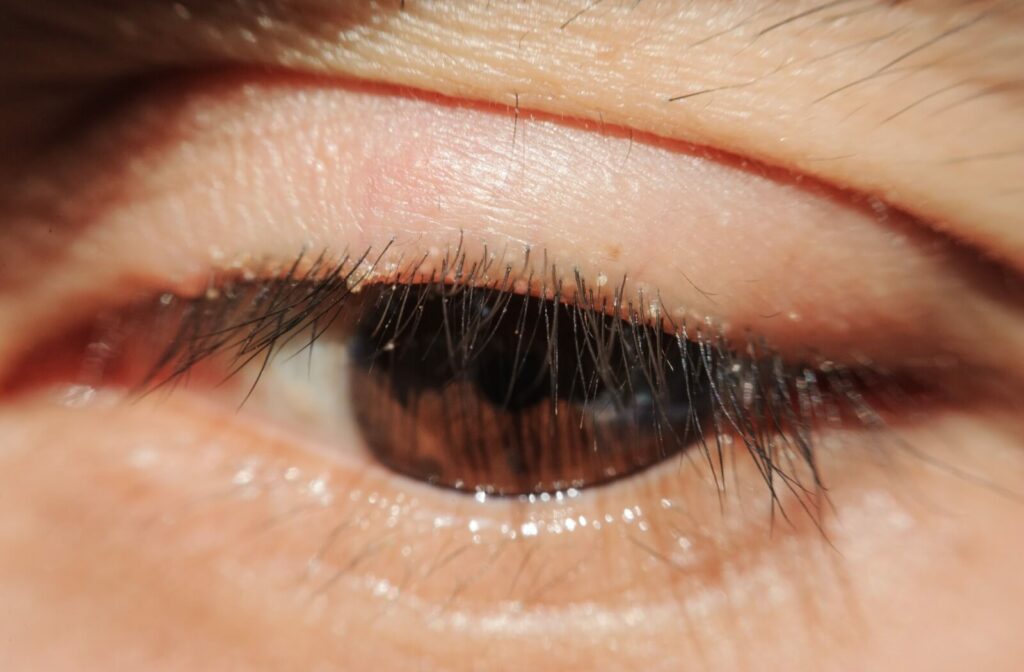
When your eyelids are irritated, itchy, or swollen, you want relief as soon as possible. If you’re experiencing this discomfort, the team at Dry Eye Relief understands your concern. Blepharitis is a common eye condition, but its duration can vary for everyone.
The duration of blepharitis depends on whether the condition is acute (which can last a few weeks) or chronic (requiring ongoing management). Understanding the type you have can help you know what to expect on your path to relief.
What Contributes to Blepharitis Flare-ups?
Blepharitis often happens when the small oil glands near the base of your eyelashes get clogged, and the blockage can lead to the redness and swelling you feel. Several factors can contribute to these flare-ups, and they frequently come and go.
- Bacteria on the skin
- Clogged oil glands in your eyelids
- Skin conditions like rosacea or dandruff
- Allergies
Know the Common Signs & Symptoms
The symptoms of blepharitis can be uncomfortable and interfere with your daily activities. You might notice that your eyes just don’t feel right. Common signs include one or more of the following:
- A gritty or burning feeling in your eyes
- Red, swollen eyelids
- Crusty debris on your eyelashes, especially in the morning
- Itchy eyelids
- Watery eyes
- Increased sensitivity to light
Acute vs. Chronic Blepharitis & Its Duration
The timeline for blepharitis relief depends on whether you’re dealing with a short-term issue or a long-term condition—experiences can vary from person to person.
Acute Blepharitis
An acute case is often the result of a specific trigger—like an allergic reaction or a bacterial infection. With proper care, you may notice your symptoms improve within a few days to a couple of weeks.
Chronic Blepharitis
More often, blepharitis is a chronic condition that needs consistent management. This means it may not fully resolve. However, you can manage it with a consistent routine to reduce the frequency and severity of flare-ups.

How You Can Manage Blepharitis at Home
A consistent daily routine is important for managing blepharitis symptoms and keeping your eyelids comfortable. Simple, gentle care at home can make a significant difference in how your eyes feel day-to-day.
- Apply hot compresses: Hold a hot compress over your closed eyelids for 5–10 minutes. This helps loosen any crusting and unclog the oil glands.
- Clean your eyelids gently: Use a lid scrub containing tea tree oil twice daily to clean along the base of your eyelashes. A simple routine is to clean your eyelid margins when you brush your teeth in the morning and at night. Bacteria naturally build up along the eyelids, similar to how plaque forms in the mouth, so regular cleaning helps maintain healthy eyelid hygiene and supports overall eye comfort.
- Pause on eye makeup: It’s a good idea to avoid mascara, eyeliner, and other eye cosmetics during a flare-up. These products can contribute to irritation and clogging.
When to Seek Professional Care
If home care doesn’t provide enough relief or your symptoms are severe, you may want to consult a professional. An eye doctor can identify the factors contributing to your blepharitis and suggest more specific options.
In-Office Treatments for Relief
For persistent cases, in-office procedures can offer a deeper clean. Treatments like BlephEx are designed to carefully clean the eyelids, remove buildup, reduce inflammation, and improve gland function.
Connect with a Dry Eye Doctor
If your symptoms continue, a personalized care plan can help you find long-term comfort. Our knowledgeable dry eye doctor in Bronx and Larchmont, NY, can determine the right approach for your eyes. The team at Dry Eye Relief is ready to help create a plan to give your eyes the attention they need.