
Key Takeaways
- Rosacea is not classified as an autoimmune condition, but the immune system is involved.
- It commonly overlaps with autoimmune conditions like rheumatoid arthritis or celiac disease.
- Rosacea and lupus can look similar but have clear differences.
- Common flare factors include sun exposure, stress, and certain foods.
- Ocular rosacea can affect your eyes and vision if left unaddressed.
What You Need to Know About Rosacea
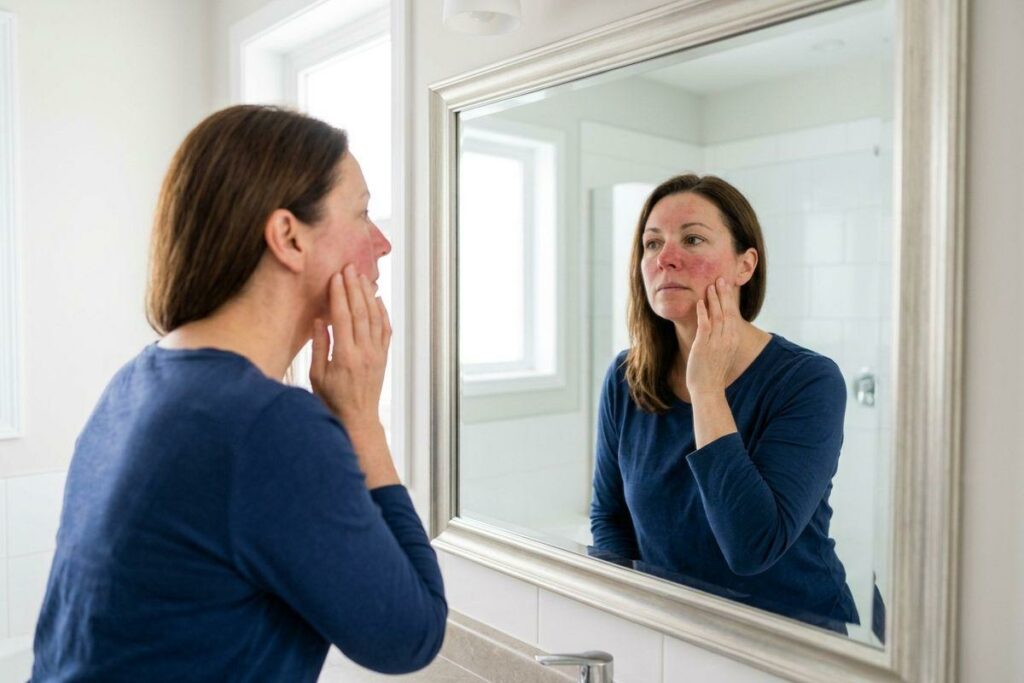
Your face flushes red after a glass of wine, a hot shower, or a stressful afternoon. Maybe you notice small bumps or visible blood vessels that don’t go away. If this sounds familiar, you may be dealing with rosacea, and you’re probably wondering what’s actually going on beneath the surface. Dry Eye Relief works with patients who experience these overlapping symptoms, especially when rosacea begins to affect the eyes.
Rosacea is not an autoimmune disease, but your immune system does play a role in its development and flares. It’s a chronic skin condition rooted in inflammation. This distinction can help you better understand your symptoms and care options. If eye discomfort is part of your experience, a dry eye assessment can help identify whether ocular rosacea is contributing to what you’re feeling.
What Is Rosacea?
Rosacea is a long-term skin condition that causes redness, flushing, and visible blood vessels, often across the nose and cheeks. It can also produce small bumps that look like acne. While many people think of it as a cosmetic issue, it goes deeper than that. Inflammation and immune activity are at the core of why rosacea behaves the way it does.
One common misconception is that rosacea only affects people with fair skin. It actually shows up across all skin tones, though it may look different depending on your complexion. Darker skin tones may show more subtle redness or a brownish discoloration, which sometimes makes it harder to identify.
The Link Between Rosacea and the Immune System
Even though rosacea isn’t classified as an autoimmune disease, your immune system is still very much involved. In rosacea, the immune system tends to overreact to certain triggers, leading to skin inflammation. Think of it like a home alarm that goes off at the slightest noise. The system is working, just a bit too aggressively.
In some cases, bacteria on or near the skin have been linked to setting off this immune response. The result is that healthy skin tissue ends up caught in the crossfire. This is part of why rosacea can feel unpredictable, even when you’re trying to manage it carefully.
What Autoimmune Conditions Are Connected
Rosacea is more common in people with conditions such as celiac disease or rheumatoid arthritis. This overlap has been noted by researchers and doctors who work closely with people managing chronic inflammatory conditions. However, having rosacea doesn’t cause autoimmune disease. The two just tend to appear together more frequently than by chance alone.
When rosacea specifically affects the eyelids, it can disrupt the oil glands that help stabilize your tear film.
Rosacea vs. Lupus
Both rosacea and lupus can cause a red rash across the face, which makes them easy to confuse. The lupus rash, often called a butterfly rash, typically spreads across the cheeks and nose, resembling the pattern seen in rosacea. However, lupus often presents with other symptoms, such as joint pain, mouth sores, fatigue, and sensitivity to sunlight.
Rosacea, on the other hand, tends to remain confined to the face and upper body. Sun exposure can set off both conditions, but rosacea rarely produces the systemic symptoms that come with lupus. If you’re noticing redness alongside joint pain or unusual fatigue, that’s worth mentioning to your doctor.
Common Rosacea Factors and Symptoms to Know
Signs to Watch For
Rosacea doesn’t always look the same from person to person. Some of the most common signs include:
- Persistent facial redness that doesn’t fade
- Visible small blood vessels under the skin
- Bumps or pimple-like breakouts
- Eye irritation, burning, or stinging
- Skin that feels rough or thickened over time
Eye symptoms are easy to miss or dismiss as allergies. This form, known as ocular rosacea, affects the eyes directly and can lead to dryness, redness, and discomfort that feels a lot like dry eye disease.
What Sets Off Flare-Ups
Certain factors tend to bring on a flare, and they vary from person to person. Some of the most frequently reported ones include:
- Sun exposure
- Stress
- Spicy foods or alcohol
- Sudden temperature changes
- Certain skincare products
- Hormonal shifts
Keeping a simple log of when your symptoms get worse can be a useful tool. Over time, patterns may start to emerge, and that information can help you and your doctor figure out what’s worth adjusting in your daily routine.
When to Talk to an Eye Doctor About Rosacea
Rosacea symptoms are often mistaken for sunburn, adult acne, or general skin sensitivity. Because of that, many people go a long time without getting a clear answer about what’s happening. A doctor who is familiar with rosacea can identify which type you have and guide you toward the right next steps.
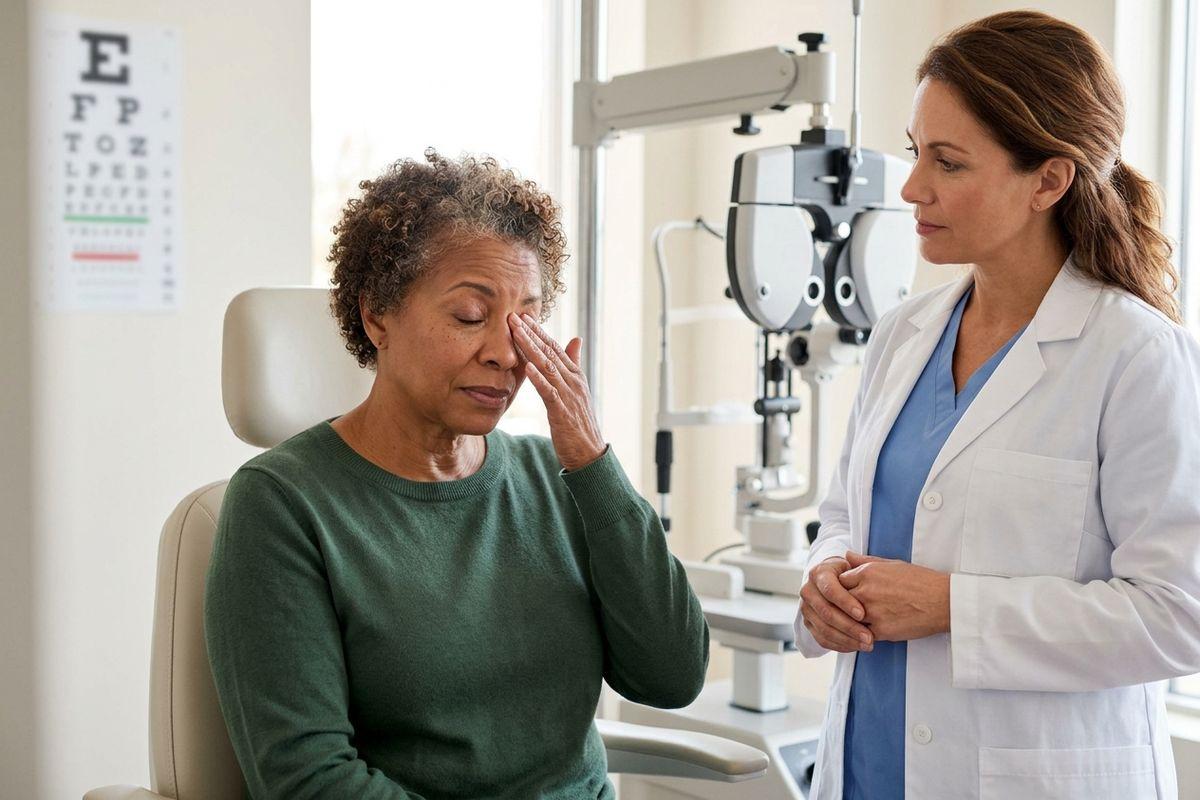
Ocular rosacea deserves special attention. When rosacea affects the eyes, it can contribute to dry eye symptoms and, over time, compromise vision if left untreated. An eye doctor experienced in ocular surface conditions can evaluate whether your eye discomfort is connected to rosacea and help you find relief.
We Can Help
At Dry Eye Relief, our team brings years of focused experience in ocular surface disease, including the eye-related effects of rosacea. If you’re in the Bronx and noticing persistent eye irritation, dryness, or redness alongside skin symptoms, reaching out to your local dry eye doctor can be a helpful first step toward understanding what your eyes need.