

Key Takeaways
- Meibomian glands produce the oil layer that keeps your tears stable and comfortable.
- Age, screen time, certain health conditions, and medications can all affect gland function.
- MGD often goes unnoticed until symptoms become disruptive.
- A dry eye exam can assess gland health and guide treatment options.
- Treatments like IPL therapy and low-level light therapy (LLLT) can help target inflammation and support healthier gland function.
Your Eyes Depend on More Than Just Tears
Meibomian gland dysfunction, or MGD, happens when the oil-producing glands in your eyelids become blocked or otherwise stop functioning properly, disrupting the tear film and leaving your eyes exposed to irritation and evaporation.
MGD is one of the most common causes of chronic dry eye. If you’re looking to understand your symptoms and reduce your discomfort, our team at Dry Eye Relief is here to help you learn about meibomian gland dysfunction, as well as other causes of dry eye.
What Meibomian Glands Do for Your Eyes
Your eyelids contain rows of tiny oil glands called meibomian glands. Every time you blink, these glands release a thin layer of oil onto the surface of your eye. That oil sits on top of your tear film like a seal, slowing evaporation and keeping moisture in place.
When those glands get blocked or stop producing enough oil, your tear film breaks down too quickly. Your eyes dry out faster, leaving you with a burning, gritty sensation that makes it hard to focus. Over time, poor oil quality makes the problem worse and harder to ignore.
The Most Common Causes of MGD
Age & Hormonal Shifts
As you get older, meibomian gland function naturally declines. The glands may produce less oil or oil that is thicker and harder to express.
Hormonal changes play a role too. During menopause, shifting hormone levels can reduce oil quality and gland output. Low androgen levels, in particular, have been connected to meibomian gland dysfunction, which helps explain why dry eye symptoms often increase at certain points in our lives. Research on aging and dry eye disease shows how these changes build over time and why earlier attention can make a difference.
Daily Habits & Environment
Spending long hours in front of a screen reduces how often you blink. Fewer blinks means less oil gets released, meaning that your tear film breaks down faster. If you work at a computer most of the day, your glands may not be getting the regular stimulation they need.
The environment around you matters as well. Air-conditioned offices and heated indoor spaces pull moisture from the air, putting extra strain on your tear film. A diet low in omega-3 fatty acids can also affect the quality of the oil your glands produce, making it thicker and less effective. Taking short breaks using the 20-20-20 rule for screen eye strain can give your glands a chance to do their job more regularly.
Health Conditions & Medications
Certain conditions raise your risk for MGD. Rosacea, diabetes, and autoimmune conditions are all linked to changes in meibomian gland health. If you’re managing one of these conditions, dry eye symptoms may be part of a bigger picture worth addressing.
Some medications can also affect gland function, including eye drops for glaucoma and hormone-based medications. Contact lens wear can also contribute to the condition.
Understanding these connections can help you have a more informed conversation with a dry eye doctor in the Bronx or Larchmont, NY.
Signs You Might Have MGD
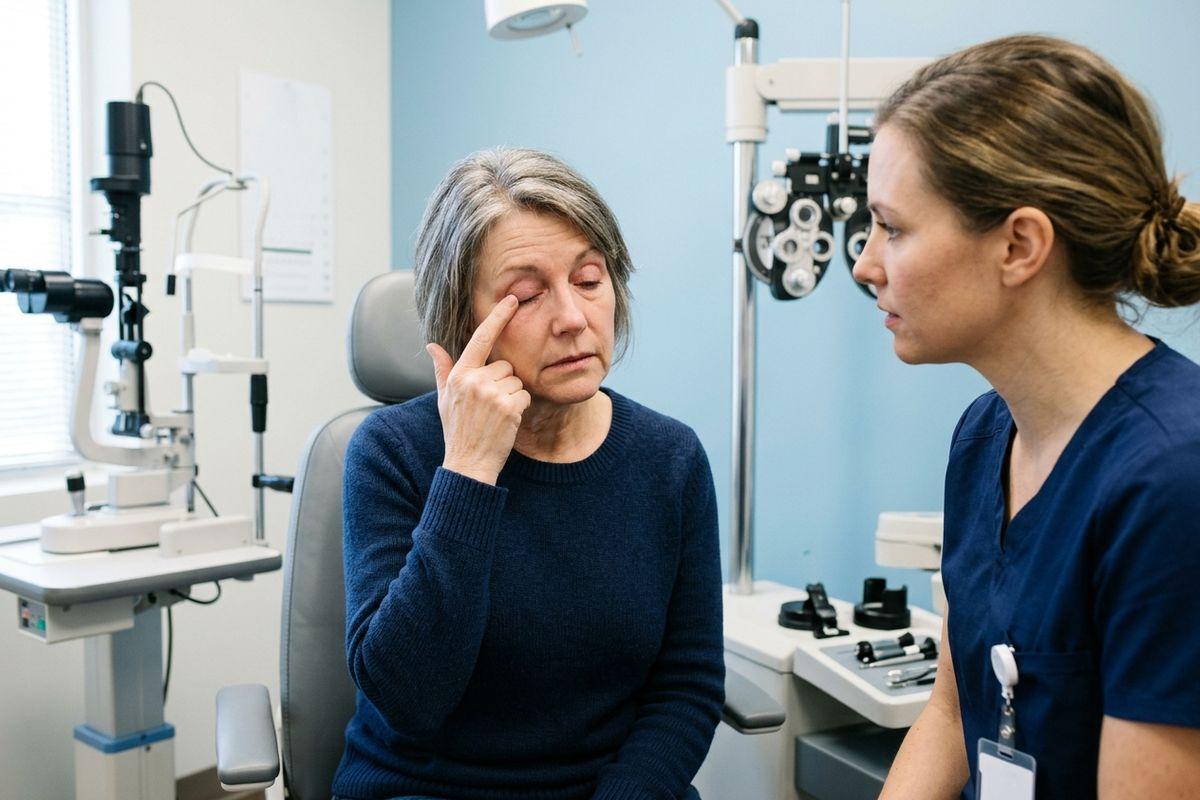
MGD doesn’t always announce itself loudly. Symptoms tend to build gradually and can be easy to dismiss as tiredness or allergies. However, here are some signs worth paying attention to:
- Burning, itching, or a gritty feeling in your eyes
- Blurry or fluctuating vision throughout the day
- Red or swollen eyelids
- Recurring styes or eyelid tenderness
If any of these symptoms are familiar, a proper dry eye assessment can give you a clearer picture of what’s happening with your gland health.
How MGD Is Diagnosed
What a Dry Eye Exam Involves
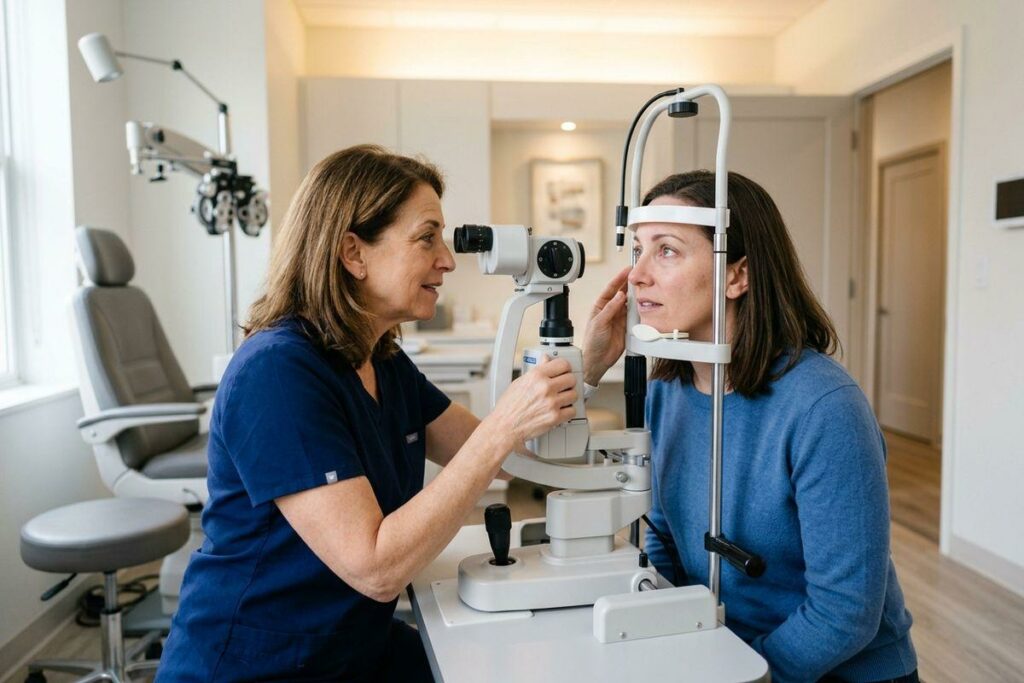
A dry eye evaluation goes beyond a standard vision check. Your eye doctor examines your tear film stability, images your meibomian glands, and checks how well those glands express oil. This gives them a detailed view of how your glands are functioning and how far any changes may have progressed.
Gland imaging is particularly helpful because it can reveal gland structure and loss that would not be visible otherwise. Getting this kind of thorough evaluation early can make a real difference in what treatment options are available to you.
Advanced Light-Based Treatments for MGD
IPL Therapy for Dry Eye
IPL therapy is a light-based treatment designed to help reduce inflammation around the meibomian glands and improve tear film stability. By targeting inflammation associated with dry eye disease, IPL can help support healthier gland function and improve overall eye comfort over time.
At Dry Eye Relief, IPL therapy is available for patients looking for advanced dry eye treatment options in both the Bronx and Larchmont.
Low-Level Light Therapy (LLLT)
Low-level light therapy (LLLT) is a gentle treatment approach used to support healthier meibomian gland function and improve dry eye comfort. This light-based therapy helps promote gland activity and reduce inflammation associated with MGD. Many people notice a meaningful improvement in comfort after a series of sessions.
You can explore our full range of dry eye treatment options to see how these therapies might fit into a personalized care plan. LLLT is currently available at our Bronx location as part of a personalized dry eye treatment plan.
What Happens When MGD Goes Untreated
MGD is not something that typically improves on its own without care. Over time, blocked or inflamed glands can shrink and lose the ability to function at all. Once gland tissue is lost, it does not regenerate, which is why early attention matters.
Chronic dry eye that goes unmanaged can also put stress on the surface of your eye, raising the risk of corneal damage. The longer MGD is left unaddressed, the fewer treatment options tend to be available. If you’re noticing symptoms, it’s wise to reach out sooner rather than later.
At Dry Eye Relief, we serve communities in Bronx, NY, who are looking for answers and real relief from dry eye and MGD. Our team takes an evidence-based, compassionate approach to care and can help you find out what’s going on with your eyes. Schedule your dry eye evaluation today to take the first step toward lasting comfort.